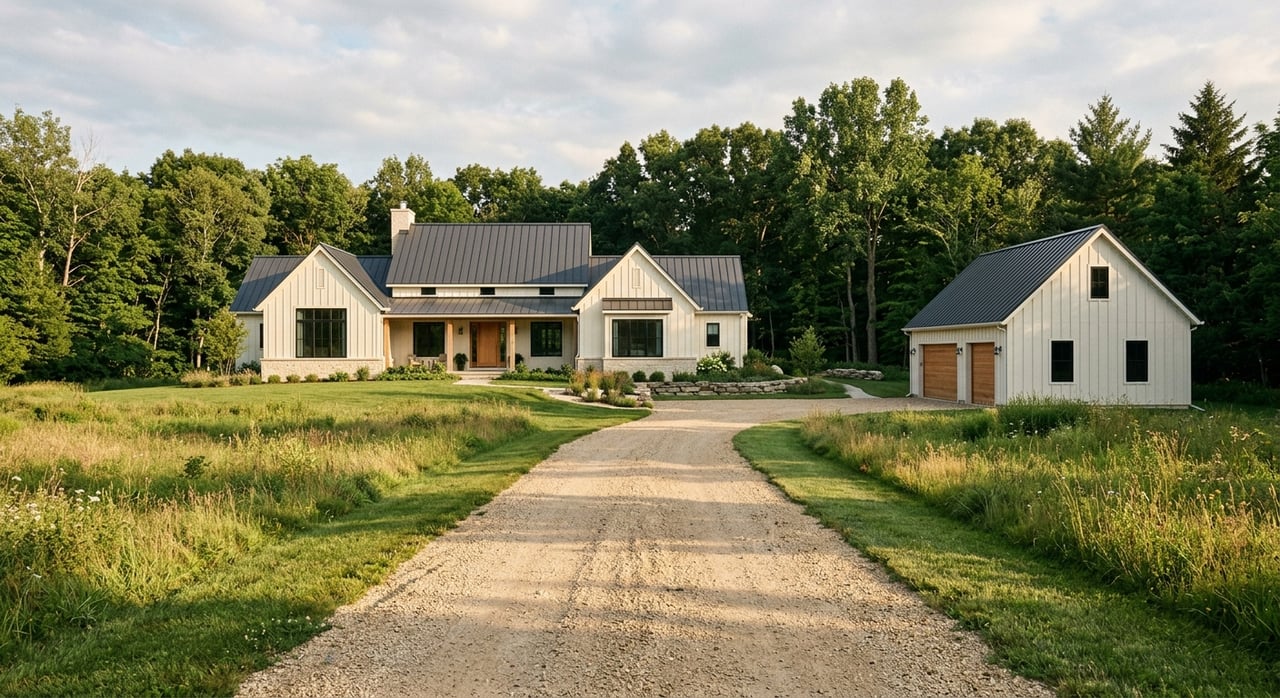
If you are dreaming about more space near Williamston, it helps to know that buying acreage is often very different from buying a typical in-town lot. A larger parcel can offer privacy, flexibility, and room for future plans, but it can also come with more questions about zoning, utilities, access, and buildability. The good news is that with the right due diligence, you can move forward with clarity and confidence. Let’s dive in.
Why acreage near Williamston works differently
If you want acreage near Williamston, you will often be looking outside the city limits rather than in the city itself. That is because the Williamston-area acreage market is largely a township market, where parcel sizes tend to be much larger than the lots typically found in town.
That local pattern also lines up with long-range planning. According to the Williamstown Township 2025 Master Plan, much of the township’s future land use remains focused on agriculture, agriculture/residential, and rural settlement. In practical terms, that means you should expect rural parcel sizes, township rules, and parcel-specific research to play a major role in your search.
Start with zoning first
One of the biggest mistakes acreage buyers can make is assuming that every large parcel works the same way. In reality, what you can do with a property depends heavily on its zoning district, and those rules can vary from one parcel to the next.
The Williamstown Township zoning ordinance gives a useful starting point. Current minimum lot sizes include RR at 90,000 square feet, or about 2.1 acres, RE at 5 acres, and AG-SF at 10 acres. Those categories matter because they affect not only lot size expectations, but also how the property may be used and what improvements may be allowed.
For example, buyers interested in hobby-farm style living often want to know whether a detached garage, pole barn, or similar accessory building is possible. The township ordinance notes that accessory buildings may be permitted in the front yard of RR, RE, and AG-SF parcels under certain conditions. That is a great reminder that acreage value is about more than size. It is also about what the land legally allows.
Future land use matters too
Zoning tells you what is allowed now, while the future land-use plan can help you understand the broader direction of the area. In Williamstown Township, the master plan identifies Single-Family A for 2-acre lots, Single-Family B for 1-acre lots, and Single-Family C for 1/2-acre lots near the city where public utilities are available.
That connection is important for buyers. Near Williamston, parcel size and utility availability often go hand in hand. As parcels move closer to areas with public utility service, lot sizes may become smaller, while more rural properties tend to require private systems and more extensive site review.
Check utilities before you fall in love
A beautiful piece of land can look perfect on first showing, but you need to know how the property will actually function. Some parcels just outside the city may have access to municipal utilities because the City of Williamston water and sewer system serves city residents and portions of Williamstown and Wheatfield townships through 425 service agreements.
Still, many acreage properties outside the city should be approached with the assumption that private well and septic may be involved until confirmed otherwise. That is why utility questions should come early, not after you are emotionally invested.
A smart first step is to ask for any available well logs, septic permits, repair history, and water-quality testing. The Ingham County Environmental Health well and septic program is also a key local resource when you need to verify records or better understand the process.
Septic and well questions to ask
Before you write an offer, consider asking:
- Is the parcel connected to public water or sewer, or would it need private systems?
- Are there past septic permits, repair records, or inspection documents?
- Is there a recorded well location or well log?
- Has the water ever been tested?
- Will the parcel support the home, outbuildings, or other improvements you want?
The State of Michigan notes that onsite septic systems are permitted and inspected through local health departments, and homeowners are generally advised to have septic systems inspected every three years. That makes system history and site suitability especially important when you are considering acreage.
Legal access is not a small detail
Large parcels often sit on township roads, private roads, or shared drives. That means access is not something you want to assume. It needs to be verified clearly and early.
According to the Williamstown Township roads information, the Ingham County Road Department maintains township roads, while private roads must meet township standards. That difference can affect day-to-day use, maintenance expectations, and the long-term practicality of the property.
If the parcel is part of a split from a larger tract, access becomes even more important. The township’s land-division rules require each new parcel to be accessible, and easements for roads, utilities, sidewalks, and other facilities may be required. In simple terms, a scenic parcel without clear legal access may not be the opportunity it first appears to be.
What to confirm about access
Be sure to verify:
- Whether the property fronts a county-maintained road, private road, or shared drive
- Whether deeded access is clearly documented
- Whether any recorded easements affect use of the parcel
- Who is responsible for road maintenance
- Whether the legal description matches the way the parcel is being marketed
Review county records carefully
When you buy acreage, the listing should never be your only source of information. You want to compare the marketing details with county records before making a decision.
The Ingham County Equalization and Tax Mapping tools can help you review parcel numbers, acreage, mapping, and ownership-related details. This step can help you catch discrepancies early and better understand exactly what you are buying.
This is especially helpful when a parcel has irregular boundaries, recent splits, or multiple possible build sites. The more land involved, the more important it is to make sure the county record and the listing details line up.
Watch for soils, wetlands, and drainage issues
Not every acre is equally usable. A parcel may look open and attractive, yet still have limitations that affect where you can build, where septic might go, or whether additional improvements are realistic.
The Williamstown Township master plan notes that soils in much of the township have severe limitations, and wetlands, especially along drainage courses, are regulated by township ordinance and state law. If a land split or improvement affects drainage, county drain approval may also be required under the township’s land-division rules.
This is one of the biggest reasons acreage purchases require more patience. You are not only evaluating location and size. You are also evaluating the land’s physical ability to support your plans.
Ask these site questions early
As part of your due diligence, ask:
- Are there wetlands on the property?
- Are there visible drainage patterns or low areas?
- Has the parcel had prior soil testing or site evaluation?
- Are there known buildable areas identified by the seller or township?
- Would planned improvements trigger additional approvals?
Be careful with parcel splits
Some of the most appealing acreage listings are newly created parcels split from a larger property. That can be perfectly fine, but you want to confirm that the split was approved and recorded correctly.
The Williamstown Township land-division ordinance requires review by the township assessor and planner, compliance with zoning, accessibility for each new parcel, proper recording with the Ingham County Register of Deeds, and payment of taxes or assessments before final approval. If any part of that process is incomplete, your timeline and plans could be affected.
For buyers, the lesson is simple. Do not just ask whether a split is “in process.” Ask whether it has been fully approved and recorded.
Check for farmland preservation restrictions
If the property is enrolled in a farmland preservation program or subject to a PA 116 agreement, that can affect how the land may be split or transferred. This is an easy detail to miss if you are focused mainly on acreage, views, and location.
The Michigan Department of Agriculture and Rural Development guidance on PA 116 splits explains that landowners should get splits approved and completed before selling land, and that new agreements must be recorded before ownership is transferred. If a property has this kind of restriction, it is worth reviewing the rules before closing so there are no surprises later.
A simple acreage due-diligence checklist
If you are comparing parcels near Williamston, this checklist can keep you grounded:
- Verify the exact zoning district
- Confirm minimum lot size and use rules
- Ask whether public water or sewer is available
- Request well and septic records if private systems are involved
- Confirm legal access and road maintenance responsibility
- Review county parcel maps, acreage, and legal description
- Ask about wetlands, soils, and drainage concerns
- Confirm any parcel split was approved and recorded
- Check for PA 116 or other farmland-related restrictions
Why working with the right guide matters
Buying acreage is exciting because it opens up possibilities. At the same time, it asks you to look beyond the listing photos and think carefully about what the property can support today and in the future.
That is where local guidance matters. A parcel near Williamston is not just a piece of land. It is a combination of zoning, access, utilities, records, and site conditions that need to be confirmed one property at a time.
If you are thinking about buying acreage near Williamston, working with a local advisor can help you ask the right questions before you commit. If you want a trusted, hands-on guide as you sort through land options in the Greater Lansing area, Heidi Smith is here to help you move forward with clarity and confidence.
FAQs
What should you check before buying acreage near Williamston?
- You should confirm zoning, legal access, utility availability, well and septic history, county record details, wetlands, drainage, and whether the parcel was properly split and recorded.
Does acreage near Williamston usually have city water and sewer?
- Not always. Some parcels outside the city may have access through service agreements, but many acreage properties should be treated as private well and septic sites until utility access is verified.
How does zoning affect acreage in Williamstown Township?
- Zoning affects minimum lot size and what may be allowed on the parcel, including residential use patterns and, in some districts, accessory buildings such as detached garages or pole barns.
Why is legal access important for acreage near Williamston?
- Legal access helps determine whether a parcel is practical to use and finance, especially if it is located on a private road, shared drive, or newly split tract.
Where can you verify acreage parcel records in Ingham County?
- You can review parcel details, tax mapping, and related records through Ingham County Equalization and Tax Mapping tools to compare listing information with county records.
What is PA 116 and why does it matter for acreage buyers in Michigan?
- PA 116 is a farmland preservation program that can affect how land is split or transferred, so buyers should verify whether a parcel is subject to an agreement before closing.