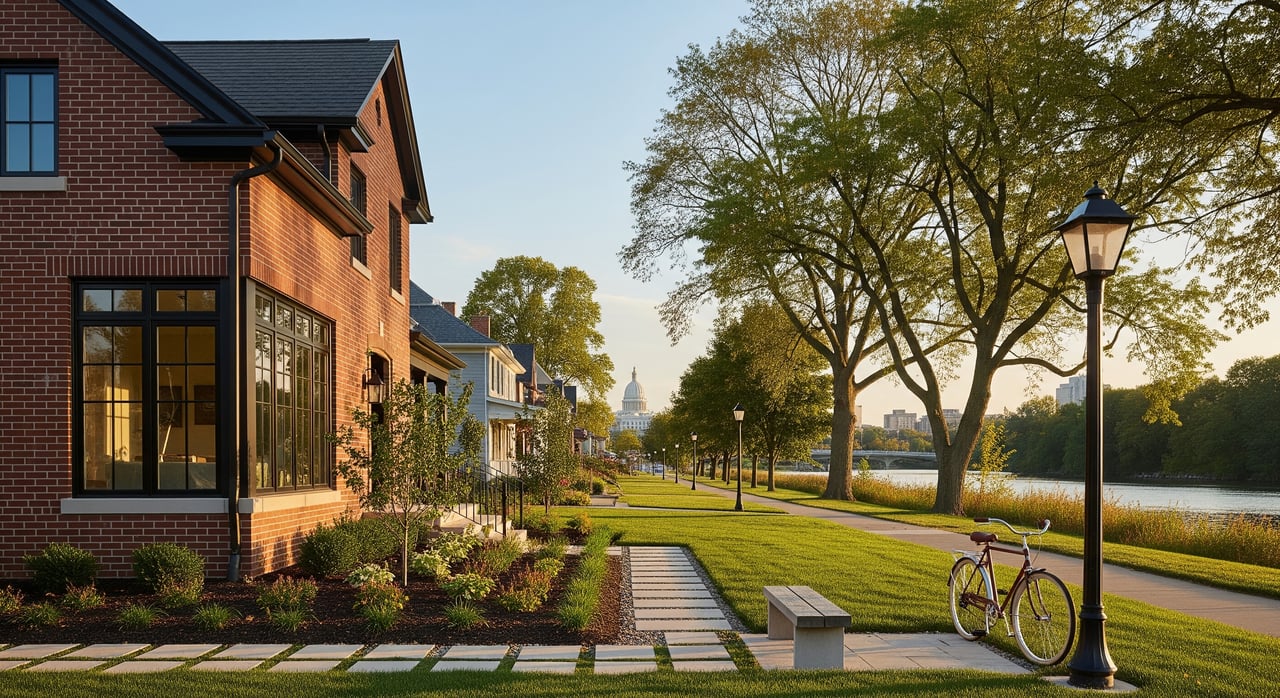
Wondering what daily life in Lansing really feels like? Choosing a new hometown is a big decision, and it helps to picture your weekdays and weekends before you jump in. In this guide, you’ll get a clear view of Lansing’s neighborhoods, parks, commute options, and practical routines so you can see how it could fit your next chapter. Let’s dive in.
Snapshot of Lansing
Lansing is Michigan’s state capital and a central hub for Ingham County and the surrounding metro. You’ll find a blend of government offices, healthcare, and university-driven energy, thanks to nearby Michigan State University in East Lansing. The city’s scale makes it approachable and connected, with resources and services that are easy to access. For city services, maps, and local updates, start with the City of Lansing.
Major highways circle and cross the region, including I‑496, I‑96, I‑69, and US‑127. Most households drive, but the local bus network by CATA links neighborhoods with downtown and MSU. The area’s airport, Capital Region International Airport, sits just northwest of the city for regional flights.
Neighborhoods at a glance
Lansing’s character changes block by block, so it helps to match your lifestyle to the right pocket of the city.
Downtown and Capitol area
If you want to be steps from the State Capitol and city events, downtown delivers. You’ll find condos, apartments, and renovated historic buildings, along with an easy walk to restaurants and civic landmarks. It suits short-commute living and an urban rhythm.
Old Town
Old Town pairs a historic streetscape with galleries, breweries, and events. Homes nearby tend to be older single-family houses on tree-lined streets. It’s popular if you want shops and cafes within a short stroll.
REO Town
Just south of downtown, REO Town blends industrial roots with a growing arts and music scene. Housing includes historic homes, newer apartments, and loft-style spaces in repurposed buildings. Expect a creative, evolving corridor with community events.
Eastside, Westside, and South Lansing
These residential areas are known for early to mid‑20th century homes, from bungalows and Craftsman styles to midcentury ranches. Streets are often walkable with nearby parks and neighborhood schools. If you want yard space and a classic single‑family home, these areas offer many options.
Nearby communities to consider
- East Lansing: A college‑town setting adjacent to Lansing with arts, lectures, and performances linked to Michigan State University.
- Meridian Township, including Okemos and Haslett: Suburban nodes with newer subdivisions and commuter access to major highways.
- Delta Township and DeWitt Township: Suburban housing with newer developments and quick access to the airport and I‑96.
- Holt and Bath Township: Options with a more rural or suburban feel and larger lots in some pockets.
School districts vary across these municipalities. The Lansing School District serves the city, while surrounding communities have their own districts. Review official district information and visit schools to compare programs and offerings that fit your needs.
Day in the life
Lansing’s daily rhythm depends on where you live and work. Here are a few snapshots to help you picture it.
- State employee downtown: You might start with coffee on Washington Square, walk past the Capitol dome, and be at your desk in minutes. After work, meet friends in Old Town for dinner or catch a community event along the riverfront.
- MSU-connected household: Living near East Lansing puts you close to campus life, from lectures to performances. A short drive or bus ride brings you home after games or theater nights at the Wharton Center.
- Suburban commuter: From Meridian or Delta Township, your day starts with a quick hop to I‑96 or US‑127. With moderate regional traffic, you’re downtown, at a hospital campus, or at a business park without a long commute.
- Downtown renter: Your car might stay parked for days while you walk to work, hit the gym, and bike the river trail on weekends. Evenings can be as quiet or lively as you want, with pop‑up markets and local festivals nearby.
Getting around
Most residents rely on cars for daily errands and work. Highways like I‑496, I‑96, I‑69, and US‑127 make cross‑town and statewide travel straightforward. If you prefer to leave the keys at home, CATA runs local routes that serve downtown Lansing, East Lansing, Meridian Township, and more. For flights, Capital Region International Airport offers regional service, while larger hubs are reachable by car.
The Lansing River Trail and city bike lanes support recreation and some commutes. Walking is easiest in downtown, Old Town, and pockets of the Eastside, with many residential streets remaining pedestrian friendly.
Schools and learning
Public school boundaries shift by municipality, so clarify district lines early in your search. The Lansing School District serves the city, while East Lansing, Meridian Township, Haslett, and other areas have separate districts. You will also find private and parochial options across the metro.
Higher education is a regional pillar. Michigan State University anchors East Lansing with research, arts, lectures, and sporting events. Downtown Lansing is home to Lansing Community College, and the area includes additional vocational and training programs.
Healthcare and everyday services
You have access to regional health systems with major hospitals and outpatient clinics across the metro. City police, EMS, and countywide services coordinate emergency response. Day‑to‑day needs like childcare, pet care, gyms, and co‑working spaces are spread throughout downtown, neighborhood corridors, and suburban centers.
Parks, trails, and weekends
The riverfront is a thread that stitches many leisure spots together. The Lansing River Trail connects neighborhoods to downtown parks, making it easy to walk, run, or bike.
- Potter Park Zoo: Families enjoy seasonal programs and a compact, friendly layout. Plan a morning at the Potter Park Zoo, then picnic along the river.
- Science and museums: The hands‑on Impression 5 Science Center and the R. E. Olds Transportation Museum offer year‑round learning and fun.
- Performing arts: The Wharton Center for the Performing Arts hosts touring theater, music, and dance that many Lansing‑area residents enjoy.
- Parks and festivals: Hawk Island Park, Adado Riverfront Park, Moores Park, and neighborhood green spaces offer trails, water access, and event venues throughout the seasons.
Practical living tips
- Affordability and market: Lansing often provides more price access than larger metros, with prices varying by neighborhood, school district, and age of home. Check current local MLS data for up‑to‑date pricing and inventory.
- Property taxes: Rates depend on municipality and school district. For a precise estimate, review local treasurer or assessor pages once you have a shortlist of addresses.
- Safety: Conditions vary by neighborhood. Review local police resources and the FBI Crime Data Explorer for historical context, and visit areas at different times of day.
- Weather and seasons: Expect four true seasons, from warm summers to snowy winters. Plan for heating costs, snow removal, and seasonal maintenance.
- Utilities and broadband: Providers differ by city or township. Confirm service and speeds by address during your due‑diligence period.
- Moving logistics: Interstate access makes regional travel straightforward, and the airport is nearby for quick trips. If you need a larger hub, plan ahead for drive times.
Where to start your home search
Here is a simple approach to find your fit:
- Define your daily routine. Note commute targets, must‑have amenities, and your desired neighborhood vibe.
- Map school boundaries. If schools matter in your decision, confirm district lines early and schedule visits.
- Walk and drive target areas. Visit at different times to understand traffic, noise, and access to parks and shops.
- Get market clarity. Review current pricing and taxes for your shortlist of homes.
- Partner with a local guide. A neighborhood‑savvy agent can connect you with listings, off‑market insights, and on‑the‑ground advice.
If you’re ready to explore Lansing’s neighborhoods with a trusted, hands‑on advisor, reach out to Heidi Smith. You will get clear next steps, local market insight, and service rooted in integrity.
FAQs
Is Lansing a good fit for families?
- It depends on your goals. Many city and suburban areas offer parks and community events. Compare school districts by reviewing official resources and visiting schools.
What are commute times like to the Capitol or MSU?
- Commutes are generally manageable across the metro. Access to I‑496, I‑96, and US‑127 helps, and CATA routes serve core corridors near downtown and campus.
Is public transportation practical for daily use?
- Many residents drive, but CATA buses work well along major routes, especially for trips to downtown Lansing and East Lansing near campus.
How is outdoor access in Lansing?
- You have extensive trails along the river, plus city and county parks for walking, biking, and seasonal events. Museums and theaters add year‑round indoor options.
How affordable is housing in Lansing?
- The region is often more affordable than larger metros, but prices vary by location and home type. Review current MLS data for the latest median prices and inventory.
How should I evaluate neighborhood safety?
- Use local police resources and historical data tools, visit neighborhoods at different times, and speak with local contacts to understand on‑the‑ground conditions.