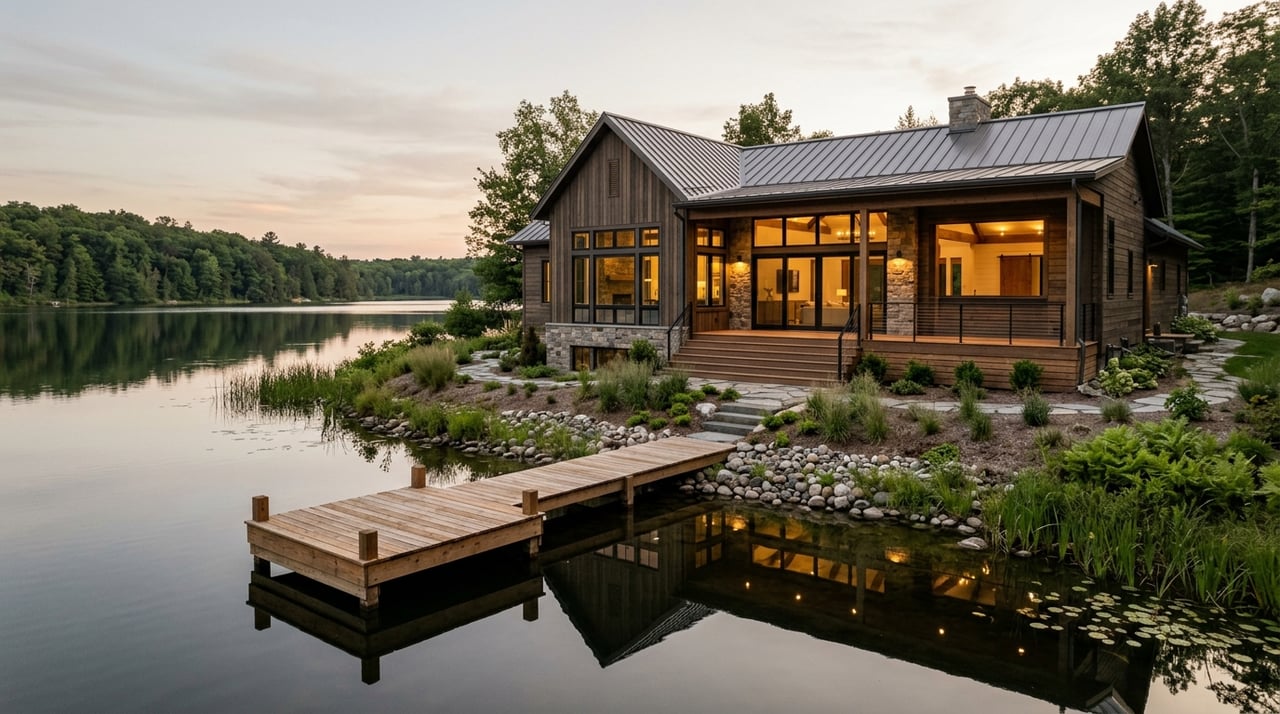
Dreaming about mornings on the water in Pinckney? A lake home can be an amazing lifestyle purchase, but in this market, “near the lake” and “on the lake” are not the same thing. If you are thinking about buying a lakefront or lake-access home here, you need to understand what rights, costs, and seasonal realities come with the property. Let’s dive in.
Understand the Access First
In Pinckney, lake homes sit in a mix of private lakes, no-wake lakes, and public-access lake areas. That means your first question should not be about finishes or square footage. It should be: what water access actually transfers with the home?
For example, Rush Lake is described by its property owners association as a private spring-fed lake of about 130 acres. Cordley Lake is designated no-wake with no public access. The Pinckney Recreation Area also offers boating access on several lakes, including Halfmoon, Portage, South, North, Joslin, and Bruin.
That difference matters in your daily life. A home with direct frontage, a shared beach, an easement, or association access can feel very different once you move in. The listing may highlight the water, but the deed and association documents tell you what you can actually use.
Lakefront vs. Lake-Access vs. Private-Access
A true lakefront property typically includes direct frontage on the water. A lake-access home may give you shared use through an easement, community park, beach, marina, or launch. Private-access often means access is controlled by an association, and your rights may depend on membership status, dues, and community rules.
In some Pinckney-area communities, those rules are a major part of ownership. Association-controlled amenities can include private beaches, parks, marinas, and boat launches. In certain neighborhoods, gate access is even tied to dues status.
Look Beyond the House
A beautiful kitchen does not tell you whether you can install a dock, keep a boat hoist, or rent the property in the future. In Pinckney lake communities, association rules and recorded documents can affect your ownership almost as much as the home itself.
Rush Lake POA states that it maintains parks and a boat launch, handles road grading and snow plowing, and uses an electronic gate system. Its bylaws also show that fines, special assessments, and restrictions on short-term rentals can be part of ownership. Cordley Lake Association materials show how lake rules can also include no-wake restrictions and no public access.
Documents Worth Reviewing Early
Before you move too far into a purchase, make sure you review:
- The deed
- The recorded plat
- CC&Rs or bylaws
- Association budget
- Dues schedule
- Special assessment history
- Rules for docks, boats, rentals, and guest use
Livingston County deed and property systems can help confirm recorded documents and parcel information. This is one reason a careful review period matters so much with lake property.
Wells, Septic, and Utility Questions Matter
Many inland-lake homes in this area rely on wells and septic systems instead of municipal water and sewer. That is common, but it also means you should ask more questions during due diligence.
Livingston County Health Department does not have a point-of-sale program. In plain terms, that means there is no automatic county inspection of wells or septic systems when ownership changes. If you are buying a Pinckney lake home, you should request records and order your own testing.
The county also notes that additions or modifications can trigger a site review. New wells and septic systems require permits, and a soil evaluation is required before a septic permit can be issued. If you hope to expand the home, add a garage, or change the site layout later, those details matter now.
Ask These Utility Questions
- How old is the well?
- When was the septic last pumped or serviced?
- Are there county records for repairs or permits?
- Has the site had any additions or changes?
- Will your future plans require a site review?
Livingston County recommends septic pumping every three to five years and advises regular well testing. Near a lake, these systems affect both your everyday comfort and the long-term condition of the property.
Seasonality Shapes the Experience
A Pinckney lake home can live very differently in July than it does in January. That is part of the appeal, but it is also part of the planning.
The Pinckney Recreation Area reflects that seasonal rhythm. Paddlesport rentals run from Memorial Day through Labor Day, some facilities are seasonal, and winter uses such as snowmobiling and winter camping exist in designated areas. If you are buying for year-round use, ask how the property performs across all four seasons.
This is especially important if the home sits on a private road or in a subdivision with association-managed maintenance. Snow plowing, road grading, and dust control may be part of the ownership cost. A home that feels easy to reach on a sunny summer day may come with a different set of considerations in winter or during muddy shoulder seasons.
Evaluate the Home in Every Season
Think through questions like:
- Is the road privately maintained?
- Who handles snow removal?
- Is the driveway steep or difficult in winter?
- Does the shoreline flood or stay wet during high-water periods?
- Is the property easy to use in spring, summer, fall, and winter?
Shoreline, Docks, and Permits
One of the biggest value drivers in a Pinckney lake purchase is what you are allowed to do at the shoreline. Buyers often assume a dock or hoist comes with the property rights they want, but that is not always the case.
EGLE regulates many inland-lake activities, including docks and boat hoists, dredging, marinas, and other bottomland changes. Permanent installations generally require permits, while some seasonal private recreational structures may not. Projects within 500 feet of a lake or stream also typically trigger a local soil-erosion permit.
If you are planning future improvements, ask those questions before contingencies are removed. A lake home with a dock today is one thing. A lake home where you hope to add, replace, expand, or harden the shoreline is another.
Natural Shorelines Often Make Sense
EGLE favors natural shoreline and bioengineering approaches over shoreline hardening where possible. That is because seawalls and steep riprap can harm habitat and water quality. If you are comparing homes, a more natural shoreline may be worth viewing as an asset rather than a drawback.
Water Quality and Water Levels Affect Value
In Pinckney, the water itself is part of the home’s value. Stable levels, clearer water, and usable access can all shape how you enjoy the property and what buyers may pay in the future.
Rush Lake POA says a court order sets dam height to help keep water levels consistent. At the same time, EGLE notes that high inland water levels and flooding have affected homes, wells, septic systems, farms, and roads in recent years. That makes local lake conditions worth researching before you commit.
Water quality matters too. EGLE says harmful algal blooms are most common in warm summer and fall conditions and can be fueled by nutrient runoff, malfunctioning septic systems, manure, stormwater, and sewage. Advisories may be posted for beaches or entire waterbodies, so it is smart to ask about recent lake conditions when evaluating a property.
What Drives Price in Pinckney Lake Homes
Two homes with similar square footage can have very different value if one has direct frontage, dock rights, a private launch, or fewer restrictions. In this market, the lifestyle details often drive the premium.
Based on the research, the biggest price factors usually include:
- Direct frontage versus shared access
- Whether a dock or hoist is allowed
- Water level stability
- Water quality
- The cost and scope of the association
- The practical use of the property across seasons
This is why looking only at the interior can lead buyers astray. The real question is not just whether the house is nice. It is whether the property rights and lake conditions match how you want to live.
A Smart Buyer Checklist
When you tour lakefront or lake-access homes in Pinckney, bring a more detailed checklist than you would for a typical neighborhood home.
Here are some of the most important questions to ask:
- What exactly transfers with the property: frontage, easement, shared access, association membership, dock rights, or only proximity?
- Are dues current?
- Are there separate road, gate, lake-treatment, or maintenance assessments?
- Are short-term rentals allowed or banned?
- Is the lake all-sports, no-wake, or private?
- Is there public access nearby?
- Are planned dock, hoist, seawall, dredging, or shoreline projects allowed?
- What do the well, septic, flood, algae, and shoreline records show?
- If you plan improvements, will a county site review or environmental permit be needed?
A careful home search in this market is about matching the property to your goals. If you want quiet paddling, your ideal lake may be very different from someone looking for all-sports access or association amenities.
Why Local Guidance Helps
Lake purchases in Pinckney often involve more moving parts than a standard home search. You may need to compare association documents, county records, access rights, utility systems, and shoreline restrictions before you can make a confident decision.
That is where hands-on guidance matters. Having someone help you sort through the practical details can save you from surprises after closing and help you focus on homes that truly fit the lifestyle you want.
If you are thinking about buying a lakefront or lake-access home in Pinckney, Heidi Smith would love to help you navigate the details with clarity, care, and local insight.
FAQs
What should you verify before buying a lake-access home in Pinckney?
- Verify exactly what transfers with the property, such as deeded frontage, an easement, shared access, association membership, or dock rights, and review any recorded documents and association rules that define those rights.
What should you know about wells and septic systems for Pinckney lake homes?
- Many lake homes rely on wells and septic systems, and Livingston County does not automatically inspect them at sale, so you should request records, order testing, and ask whether future changes to the property may require permits or a site review.
What should you ask about HOA rules for Pinckney lake communities?
- Ask about dues, special assessments, road maintenance, gate access, rental restrictions, boat and dock rules, and any fines or bylaws that could affect how you use the property.
What should you know about shoreline permits for Pinckney lake property?
- Docks, hoists, dredging, shoreline work, and other changes may require EGLE or local permits, especially for permanent structures or projects within 500 feet of a lake or stream.
What affects the value of a lakefront home in Pinckney?
- Value is often shaped by direct frontage versus shared access, allowed dock or hoist use, water quality, water level stability, association costs, and how usable the property is across different seasons.