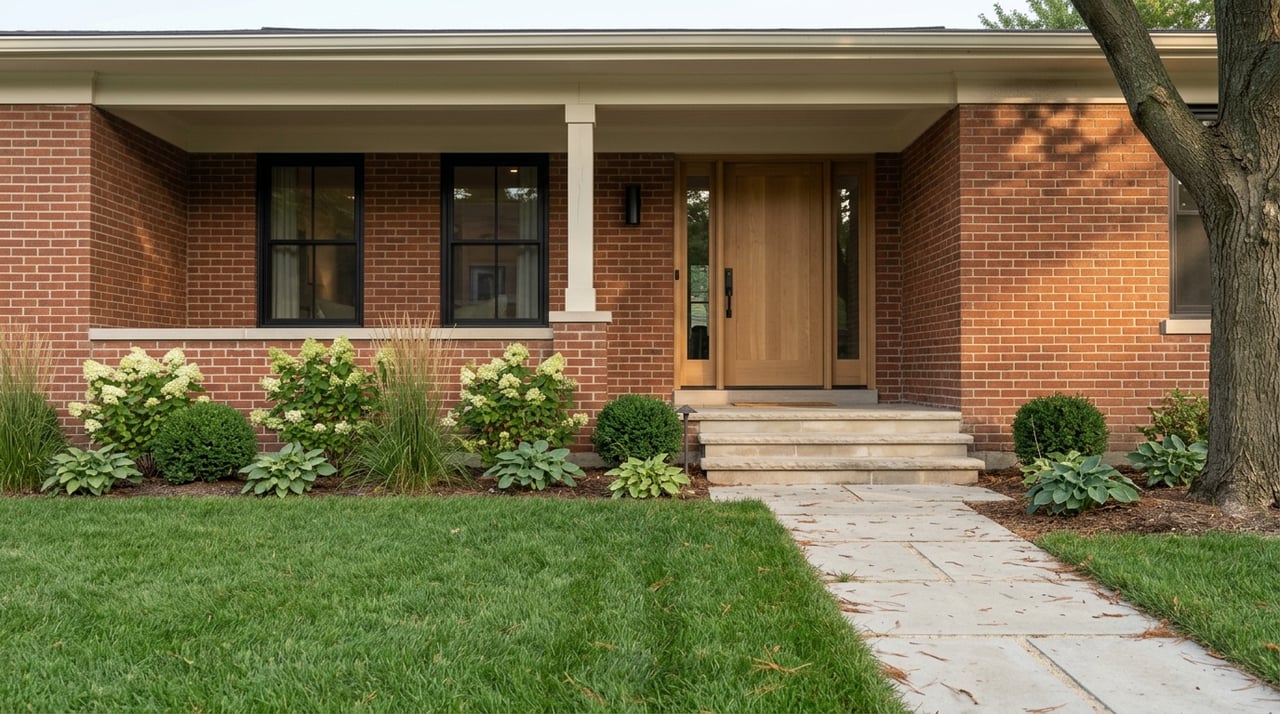
Wondering whether a newer home or an older one makes more sense in Howell? You are not alone. In a market where historic houses, established neighborhoods, and newer construction all compete for attention, the right choice often comes down to how you want to live, what you want to spend over time, and how much work you are ready to take on. This guide will help you compare both options with Howell-specific context so you can move forward with confidence. Let’s dive in.
Why This Choice Matters in Howell
Howell is a great place to have this debate because the local housing stock is naturally mixed. Census QuickFacts show the median owner-occupied home value is $265,600 in Howell city, compared with $356,800 across Livingston County, which gives buyers a range of price points and housing styles to consider.
The city also has a meaningful share of older homes. A City of Howell community profile found that 24.1% of housing units were built before 1939, and 85% were built before 2000. That means when you shop in Howell, you are often choosing between character-rich older homes and newer homes built with more current design and construction standards.
Countywide construction is still active too. Livingston County recorded 531 building permits in 2025, which suggests buyers continue to have opportunities to consider newer homes alongside established resale properties.
What Newer Homes Offer
If you want a home that feels move-in ready and aligned with modern living, newer construction may be the easier fit. Newer homes often appeal to buyers who want open layouts, updated finishes, and fewer immediate repair projects after closing.
They also tend to offer more predictable energy performance. Michigan adopted the 2024 Michigan Residential Code, and the 2021 Michigan Energy Code for residential use became effective on August 29, 2025. In practical terms, homes built under newer code cycles are more likely to reflect current expectations for insulation, air sealing, and ventilation.
That can matter in daily life. The U.S. Department of Energy notes that reducing air leakage is a key part of energy-efficient home construction and supports comfort, durability, and overall performance. For you, that may mean a home that feels less drafty and easier to manage from day one.
Common advantages of newer homes
- More open floor plans
- Modern lighting and wiring layouts
- Greater energy-efficiency potential
- Fewer near-term repair projects
- Possible builder warranty coverage
- Updated finishes and appliances
In Howell, newer homes may feel especially different from older city homes because the older stock often reflects a more traditional layout. The same community profile noted a median of 5.1 rooms per housing unit, with many homes offering 2 to 3 bedrooms, while newer homes are often designed around larger shared living spaces.
What Older Homes Offer
Older homes in Howell often win people over with something newer homes cannot always replicate: character. The City of Howell community profile specifically connects the city’s charm to its historic structures and older residential neighborhoods, which helps explain why so many buyers are drawn to these homes.
If you love original details, established streetscapes, and a less standardized feel, an older home may be the better emotional fit. In many cases, these homes offer a strong sense of place that is hard to duplicate in newer subdivisions.
That said, older homes usually require a different mindset. You may need to budget for updates, maintenance, or system improvements that a newer home might not need right away.
Common advantages of older homes
- Historic or unique architectural details
- Established neighborhood setting
- Less cookie-cutter feel
- Potentially lower purchase price than some newer options
- A chance to personalize through updates over time
The key is to look beyond the sticker price. The Department of Energy says many older homes have less insulation than homes built today, and upgrades like air sealing and insulation can improve comfort and reduce operating costs. That means an older home may make sense for you, but only if you factor in likely improvement costs along with the purchase price.
The Real Tradeoff: Character vs Predictability
For many Howell buyers, the decision comes down to one simple tradeoff. Newer homes usually offer more predictability, while older homes often offer more personality.
If you want efficiency, fewer surprises, and less immediate maintenance, newer construction usually has the edge. If you value charm, mature surroundings, and a home that feels distinct, an older property may be more rewarding.
Neither option is automatically better. The better choice is the one that fits your budget, your timeline, and your tolerance for future projects.
Key Howell Questions to Ask
Before you decide, it helps to ask the same core questions for every home you tour. In Howell and Livingston County, those answers can affect not just purchase decisions, but also your future repair and operating costs.
Ask about age and updates
Start with the basics. Ask what year the home was built and which major systems have been replaced or updated.
Focus on the roof, HVAC, plumbing, electrical, and insulation. For older homes especially, these answers can help you understand whether you are buying charm with solid upgrades or charm with a long to-do list.
Ask about permits and remodels
If a home has additions or significant remodeling, ask whether permits were pulled. This is a smart question for both newer and older homes because it helps you understand how work was completed and documented.
Ask about utilities early
This is one of the most important Howell-area questions. Livingston County notes that in areas without public water supply, homeowners must install a well, and new well or septic work requires county permits, soil evaluation, and related approvals.
If a home already uses well or septic systems, the county says a site review is needed before additions or modifications. That makes utility type a major due diligence item, especially if you are comparing city homes with more rural properties nearby.
Ask about energy performance
The Department of Energy recommends looking at utility bills, drafty rooms, and home-energy assessments when evaluating how a home performs. In practical terms, ask about attic insulation, air sealing, the age of the HVAC system, and whether the seller has completed an energy audit.
These questions matter for any house, but they are especially useful when comparing an older Howell home with a newer build. They help you estimate the true cost of ownership, not just the mortgage payment.
Ask about lead paint if applicable
If a home was built before 1978, ask whether lead-based paint has been tested or disclosed. The EPA says older homes are more likely to contain lead-based paint, and pre-1978 homes should be treated as potential lead-risk properties unless a certified inspection shows otherwise.
That does not mean you should avoid an older home. It simply means you should go in informed and make sure the property is evaluated properly.
A Simple Way to Decide
If you feel stuck, use this practical framework.
A newer home may be right for you if you want:
- Fewer immediate projects
- Better odds of current energy-efficiency features
- Open-concept living spaces
- More predictable maintenance costs
- Modern systems and finishes from the start
An older home may be right for you if you want:
- Character and original detail
- An established Howell setting
- A home with a unique look and feel
- Flexibility to update over time
- A purchase where you can balance upfront cost with future improvements
Another good question to ask yourself is how long you plan to stay. If you expect to own the home for many years, an older home with upgrade potential may feel worthwhile. If you want simplicity and a smoother start, a newer home may be the better match.
Final Thoughts for Howell Buyers
In Howell, this decision is rarely just about age. It is about lifestyle, upkeep, comfort, and the kind of home experience you want every day.
Because so much of Howell’s housing stock was built before 2000, this comparison comes up often. The right answer is usually found in the details: the systems, the utility setup, the energy performance, and your comfort level with updates.
If you want a trusted local guide to help you compare newer builds, historic homes, and everything in between, Heidi Smith is here to walk alongside you with local insight, clear advice, and hands-on support.
FAQs
What is the main difference between newer and older homes in Howell?
- In Howell, newer homes usually offer more predictable maintenance, modern layouts, and updated energy features, while older homes often offer more character, established surroundings, and a unique feel.
Are older homes common in Howell, Michigan?
- Yes. A City of Howell community profile found that 24.1% of housing units were built before 1939 and 85% were built before 2000.
What should buyers ask about utilities in Livingston County homes?
- Buyers should ask whether the home uses city water and sewer or a private well and septic system, since Livingston County has separate review and permitting considerations for well and septic properties.
Are newer homes in Howell more energy efficient?
- In many cases, yes. Homes built under newer Michigan code cycles are more likely to reflect current standards for insulation, air sealing, and ventilation, which can support comfort and efficiency.
What should buyers check in an older Howell home before making an offer?
- Buyers should ask about the age and condition of the roof, HVAC, plumbing, electrical, insulation, permit history for remodeling, utility type, and whether pre-1978 lead-based paint testing or disclosures apply.
How do I decide between a newer and older home in Howell?
- A good rule of thumb is to choose newer if you want efficiency, fewer projects, and predictability, and choose older if you value character and are comfortable budgeting for updates and maintenance.