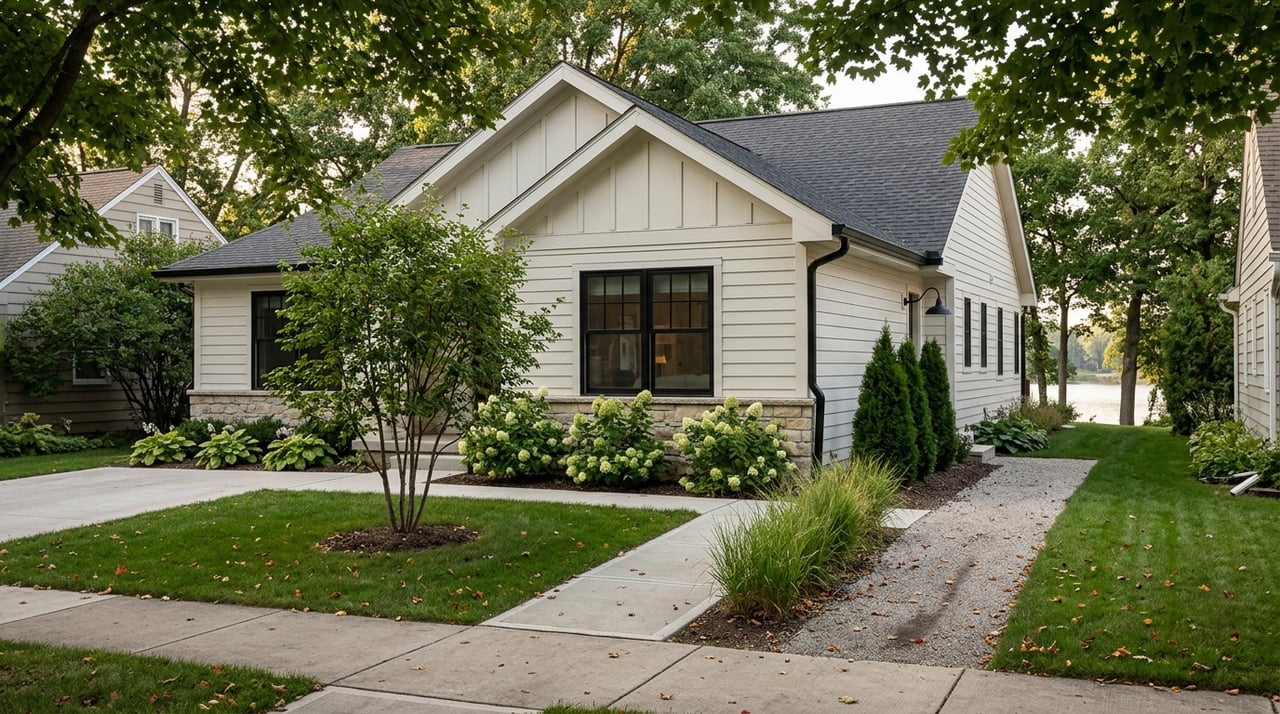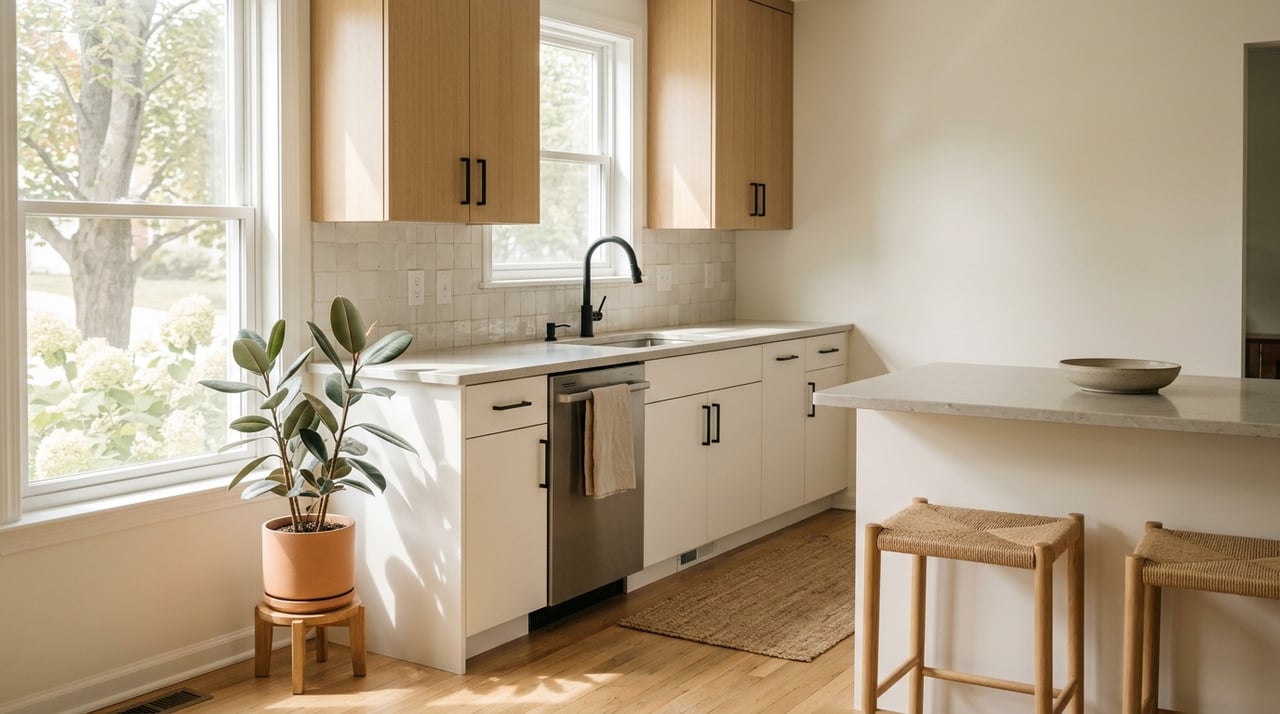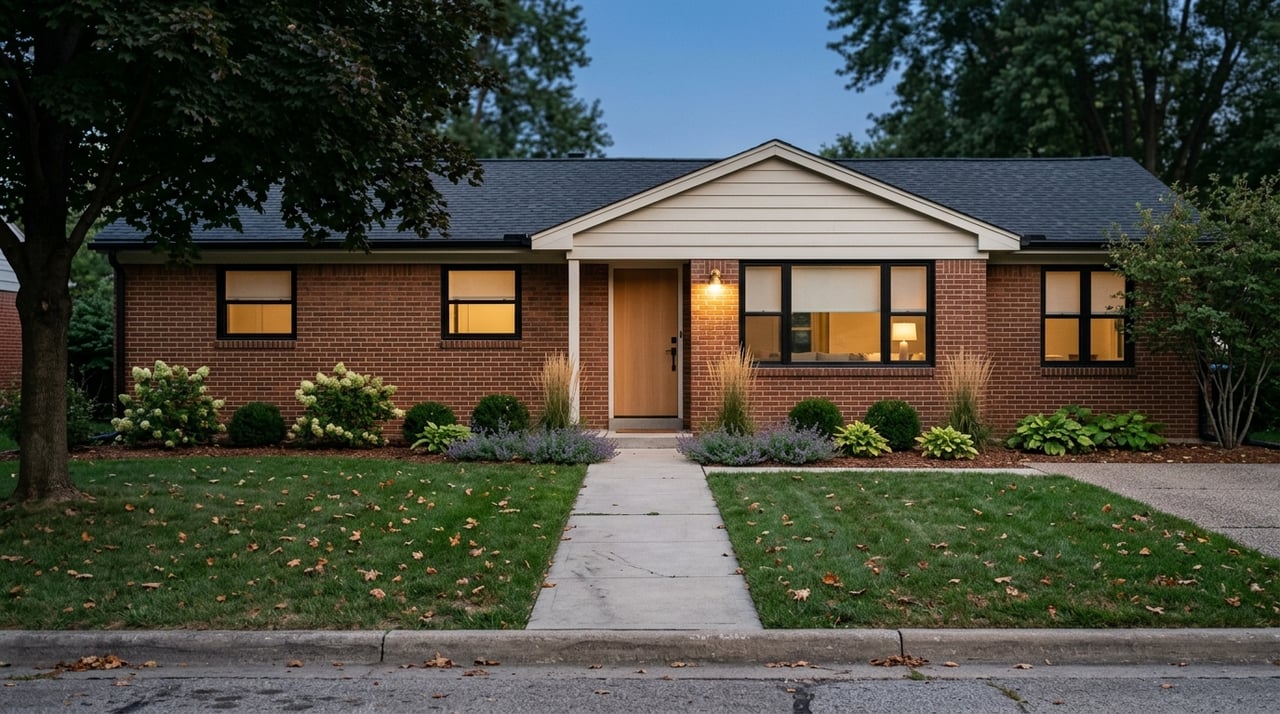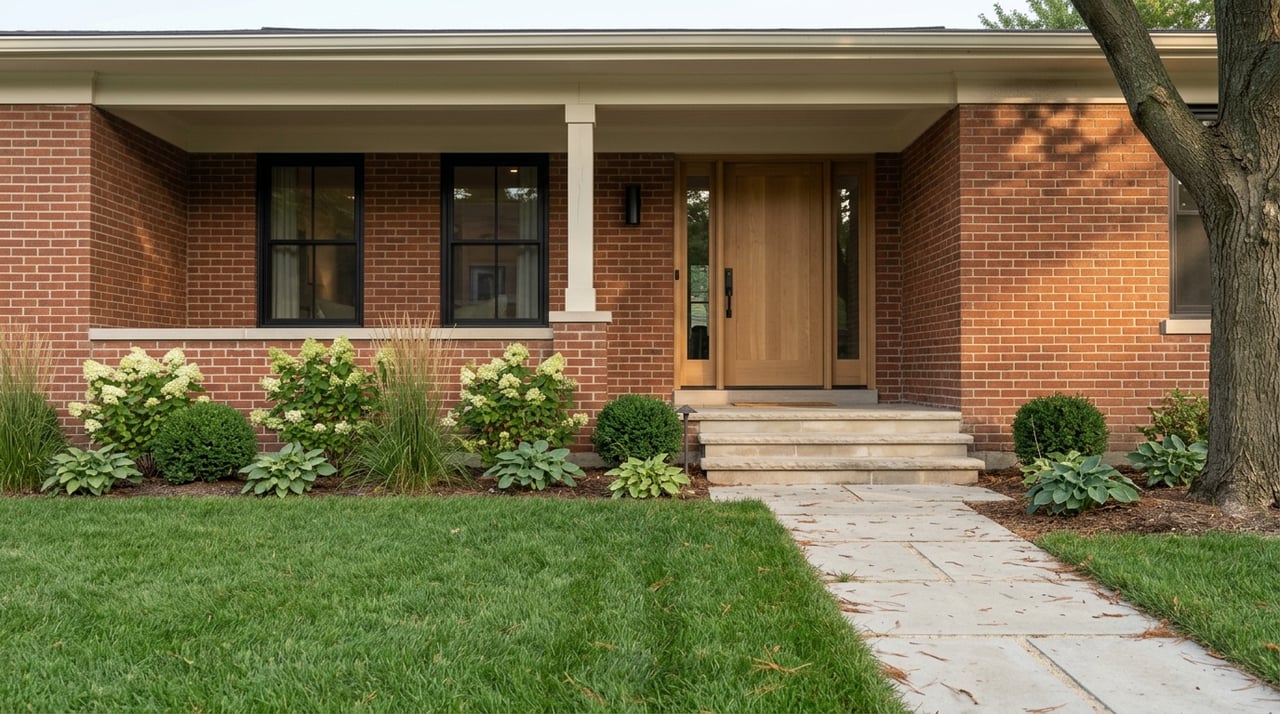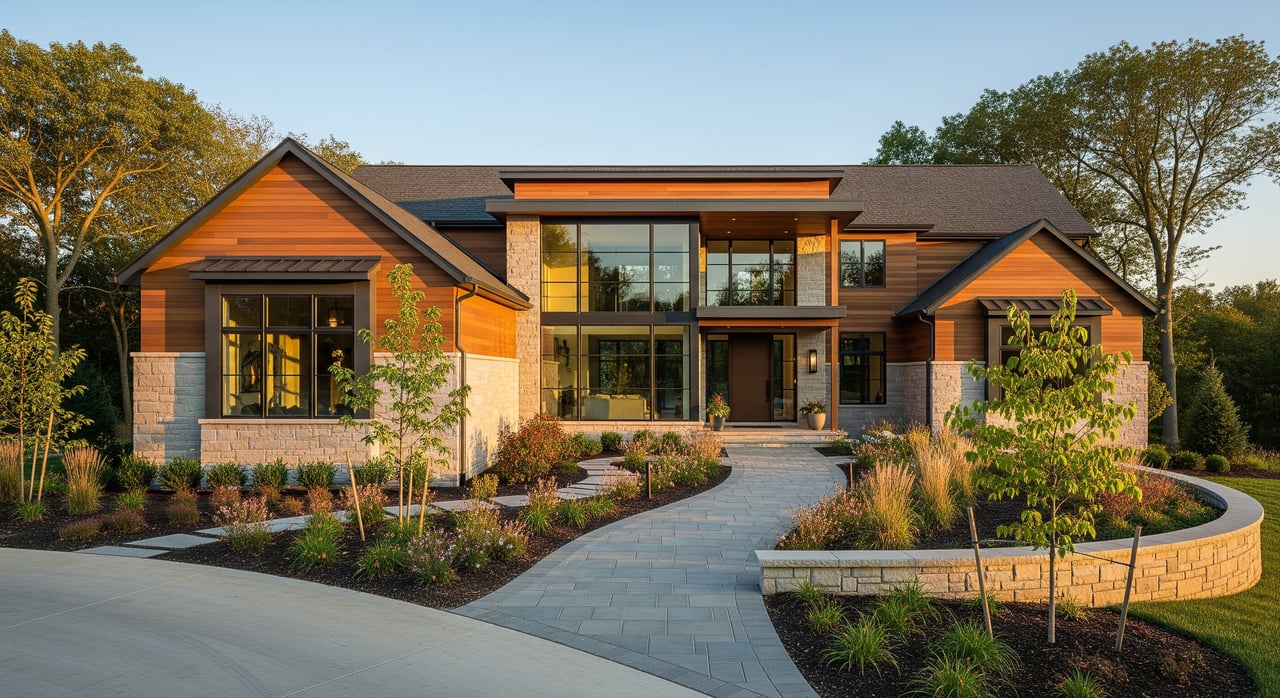
Thinking about a brand-new home in Haslett? Before you fall in love with a model kitchen, you need a plan that fits Michigan’s seasons and local building rules. Buying new construction is exciting, but the process is different from purchasing a resale. In this guide, you’ll learn how timelines work in Meridian Township, what to look for in a builder contract, which inspections matter, how warranties work, and how to budget for upgrades and financing. Let’s dive in.
New construction options in Haslett
Spec or inventory homes
Spec homes are already built or close to completion. They offer the quickest move-in timeline and let you see finishes in person. You may still choose some materials if the home is not fully complete, but changes are limited and must follow the builder’s cut-off dates.
To-be-built production homes
With a to-be-built home, you choose the lot and options, then the builder starts construction after you sign the contract and make selections. You get more say in layout, finishes, and upgrades. The tradeoff is a longer, less certain timeline that depends on weather, permitting, materials, and labor.
Semi-custom and custom builds
Semi-custom and custom homes provide the most design flexibility. These builds typically have longer timelines and more complex contracts with clear design and construction milestones. Expect more decisions, longer lead times, and a higher need for written allowances and approvals.
Timeline in Meridian Township
Michigan seasonality and permits
Cold Michigan winters can slow or pause exterior work like excavation, foundations, and grading. Many builders aim to complete exterior phases during milder months. Permits and code inspections are handled by local building authorities, which may be Meridian Charter Township or Ingham County depending on the lot. Permit turnaround can vary by season and workload.
Typical build ranges and buffer
Industry norms suggest the following ranges. Spec homes can be ready in weeks to a few months. To-be-built production homes often take 4 to 9 months from contract to closing based on complexity and weather. Custom homes often take 9 months or more. Build in a buffer of 30 to 90 days beyond the builder’s estimate and include contract language that addresses potential delays.
What to confirm before committing
- Which authority issues permits and the Certificate of Occupancy for your specific lot.
- A written schedule with milestones and how the builder defines completion.
- Whether any compensation or remedies apply if the home is late.
- HOA covenants, required exterior materials, and landscaping deadlines.
Builder contracts: what to review
Price, deposits, and contingencies
Ask for a line-item price breakdown that includes the base home, lot premium, options, and incentives. Confirm the deposit amount, where funds are held, and when deposits are refundable. Include financing, appraisal, and inspection contingencies when possible, especially on to-be-built contracts.
Change orders and timelines
Get the process and pricing for changes in writing. Confirm cut-off dates for structural changes, electrical layouts, and finish selections. Ask for written allowances for major categories like cabinets, counters, and flooring, and require approval if selections exceed those allowances.
Protections, liens, and dispute resolution
Confirm protections against subcontractor liens and request lien waivers from major trades. Review any arbitration clauses and limitations on damages. Clarify how punch list items are handled, deadlines for repairs, and whether any escrow holdback is available if items remain open at closing.
Inspections and warranties
Municipal inspection sequence
Typical municipal inspections include site or erosion control where required, footing and foundation checks, rough-ins for framing, electrical, plumbing, and HVAC, insulation and energy code checks, and a final inspection for the Certificate of Occupancy. These focus on code compliance and safety.
Independent inspections to schedule
Hire an independent inspector who understands new construction. Recommended checkpoints include an optional pre-foundation review, a pre-drywall inspection to verify framing and systems before walls close, a final inspection and punch list, and an 11-month inspection before the initial warranty window ends. Independent inspectors review workmanship beyond basic code.
Warranty basics and punch list
Many builders follow a structure similar to 1 year for workmanship and materials, 2 years for mechanical systems, and 10 years for limited structural coverage. Read the actual warranty for coverage, exclusions, and claim procedures. At your final walk-through, document all items and set timelines in writing for completion. Collect manuals, registrations, and service contacts.
Upgrades, allowances, and selections
How packages work
Builders often offer packages for kitchens, baths, flooring, lighting, and exterior features. Ask for itemized lists that show exactly what is included, including product brands and models when available. Clarify whether pricing is a firm number or an allowance that can change based on your final picks.
Deadlines and lead times
Every build stage has cut-offs. Structural options typically lock early, followed by electrical and low-voltage, then finishes. Ask about lead times for specialty items like stone, quartz, and appliances. Confirm how delays are handled if a selected item is back-ordered.
Avoid surprise costs
- Get every verbal promise in writing.
- Require written approvals for selections that exceed allowances.
- Ask how installation issues are covered and whether manufacturer warranties apply to upgraded items.
Financing and builder incentives
Construction-to-perm vs two-close loans
Some buyers use a single-close construction-to-permanent loan, which converts to a mortgage after completion and has one set of closing costs. Others use a construction loan during the build, then refinance to a standard mortgage at completion. Discuss options with your lender to understand cash flow, draws, and timing.
Appraisals for to-be-built homes
Appraisals often rely on your plans, specifications, and comparable sales. If new-build comps are limited, the appraisal can affect loan approval and timing. Confirm how your lender handles appraisals for new construction and how changes or upgrades could affect value.
Preferred lenders and credits
Many builders offer credits or rate incentives if you use their preferred lender or title company. Ask for these incentives in writing and confirm whether choosing a different lender would change or remove the benefit. Compare offers so you understand the total cost and timeline impact.
Why buyer representation matters
How a local agent protects you
The builder’s sales representative works for the builder. A buyer’s agent interprets contract terms, negotiates deposits and upgrades, coordinates independent inspections, and helps you compare financing options. An experienced local agent also understands builder reputations, typical completion times, and warranty responsiveness.
How Heidi supports your build
With a relationship-first approach and local expertise across Greater Lansing, Heidi helps you navigate selection deadlines, allowances, and contract protections. You get clear guidance on timelines, inspections, documentation, and punch list strategies. Heidi also offers practical buyer resources and hands-on communication so you always know your next step.
Practical checklist for Haslett buyers
Pre-contract
- Get pre-approval for the right loan type, including construction options if needed.
- Research builders and tour model homes in Haslett and Meridian Township.
- Review HOA and subdivision covenants for exterior materials and landscaping timelines.
- Hire a buyer’s agent with new construction experience.
Contract to construction start
- Negotiate a written, itemized price with deposits, allowances, and milestones.
- Complete selections before cut-off dates and confirm costs in writing.
- Verify who handles permits and any site work responsibilities.
- Confirm lender draw schedules and timing.
During construction
- Schedule independent inspections at pre-drywall and final.
- Track change orders, approvals, and pricing.
- Keep records of permits, communications, and invoices.
Pre-closing and closing
- Do a detailed final walk-through and punch list with timelines.
- Collect manuals, warranty documents, Certificate of Occupancy, and service contacts.
- Transfer utilities and confirm any required landscaping or curb repairs.
First year after closing
- Register product and builder warranties promptly.
- Schedule an 11-month inspection to capture warranty items.
- Keep maintenance records that may affect warranty coverage.
Smart model home tour notes
- Ask what in the model is standard versus an upgrade.
- Request brands and models for HVAC, water heater, and appliances.
- Review package options, design center timelines, and cut-off dates.
- Discuss lot orientation, grading, drainage, and proximity to open space or wetlands.
- Clarify who handles warranty service and typical response times.
Ready to explore new construction in Haslett with a clear plan and a trusted advocate at your side? Reach out to Heidi Smith to schedule a free consultation and start your new build with confidence.
FAQs
How long does a new build take in Haslett?
- Spec homes can be ready in weeks to a few months, to-be-built homes often take 4 to 9 months, and custom homes commonly run 9 months or more. Add a 30 to 90 day buffer for weather and permitting.
Do I need an inspection on new construction?
- Yes. Municipal inspections check code, not overall workmanship. Schedule independent pre-drywall, final, and 11-month inspections to catch issues early and use warranty coverage effectively.
What is typically covered by a builder warranty?
- Many builders follow a structure of about 1 year for workmanship and materials, 2 years for mechanical systems, and 10 years for limited structural items. Review your specific warranty for coverage, exclusions, and claim steps.
Can I use my own lender if the builder offers incentives?
- Usually yes, but incentives may be tied to the preferred lender or title company. Get the offer in writing, compare total costs, and confirm whether using another lender affects the benefit.
How do change orders work and when do they end?
- Builders set cut-off dates for structural, electrical, and finish selections. Change orders must be approved in writing with clear pricing and can be limited or prohibited after certain stages like framing or drywall.
What is the difference between a spec and a to-be-built home?
- A spec home is already built or nearly complete, offering faster move-in with limited changes. A to-be-built home starts after you sign and make selections, giving you more customization but a longer, more variable timeline.