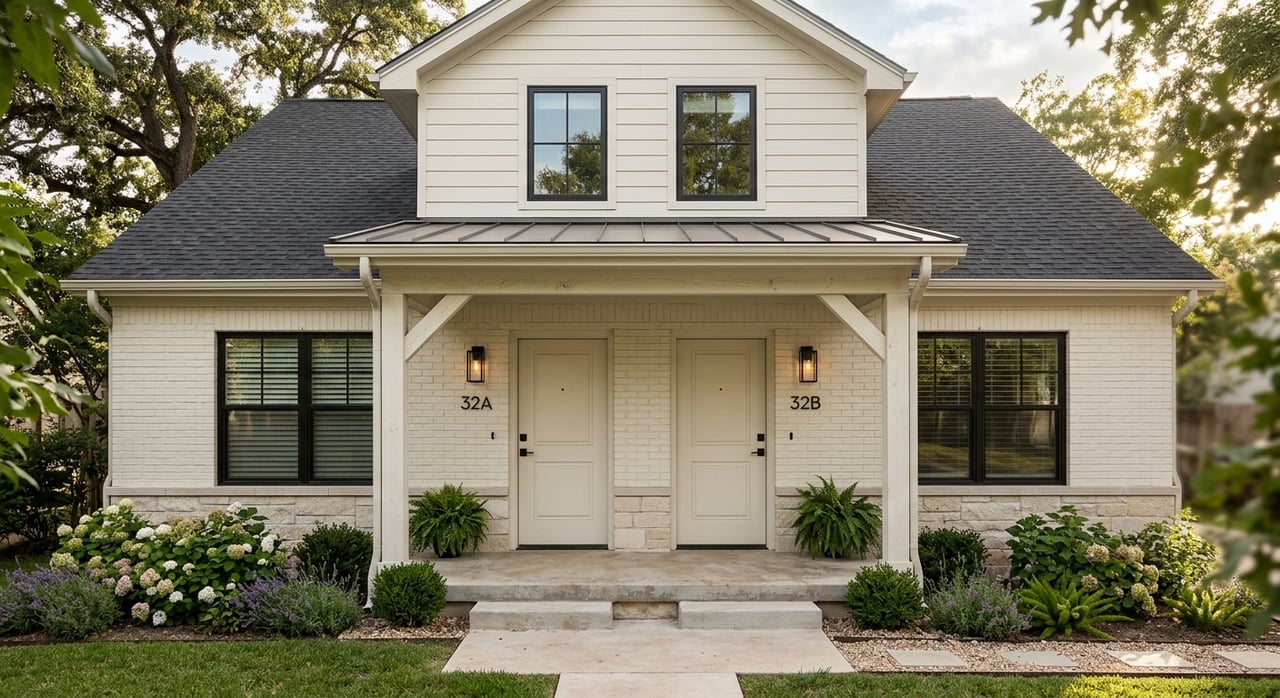
Wondering if you can buy a home in Lansing and have part of it help pay the bills? That idea is exactly why house hacking gets so much attention from first-time buyers and small investors. If you want to live in your property, build equity, and offset your monthly costs with rent, this guide will walk you through the basics so you can make smart, local decisions. Let’s dive in.
Why House Hacking Appeals in Lansing
House hacking means you live in the home as your primary residence while renting out part of it. That could be a spare bedroom, another unit in a duplex, or one or more units in a small multifamily property.
In Lansing, the numbers help explain why this strategy stands out. Census estimates show a median gross rent of $976, while median monthly owner cost with a mortgage is $1,170. That gap suggests rental income can make a real difference, especially if you are trying to lower your out-of-pocket housing cost.
Lansing also has a mixed housing market, with an owner-occupied housing unit rate of 53.8% and a median owner-occupied home value of $119,400. At the same time, the broader Greater Lansing market remained tight in late 2025, with 1.7 months of inventory, a median 34 days on market, and sellers receiving about 98.5% of list price. In other words, opportunity exists, but you still need a solid plan.
What That Means for You
House hacking in Lansing is not just about finding a cheap property. It is about finding a home that works legally, financially, and practically for the way you plan to live.
A property may look great on paper, but if the layout is awkward, the zoning does not support your intended use, or the rental income will not count the way you expect, the numbers can change quickly. That is why a local, step-by-step approach matters.
Property Types That Fit House Hacking
Not every home is a strong house-hack candidate. In Lansing, the most common fits are a single-family home with a roommate or boarder, a duplex, a triplex, a fourplex, or a home with a legal accessory dwelling unit where zoning allows it.
The best option for you depends on your budget, comfort level, and financing. Some buyers want to ease in with one roommate, while others are ready to owner-occupy one unit and lease the others.
Single-Family Home With a Roommate
This can be the simplest entry point. You buy a one-unit home, live there, and rent out a room or a portion of the home if the setup is practical and the income can be documented.
This option often appeals to buyers who want more privacy than a multifamily property might offer, but still want help with monthly costs. It is also a useful way to test whether you are comfortable sharing your space before taking on more units.
Duplex, Triplex, or Fourplex
A duplex is one of the clearest house-hacking models. You live in one unit and rent the other, which creates stronger separation between your living area and the rental space.
Triplexes and fourplexes can increase income potential, but they also bring more complexity. FHA rules add a self-sufficiency test for 3- and 4-unit properties, so a property that seems profitable may not qualify the way you expect.
Homes With Clear Separation
No matter the property type, clean separation matters. Separate entrances, workable parking, and a layout that supports privacy can make day-to-day living much easier.
These features also matter because lenders and appraisers look closely at how a property is classified. A one-unit home, a 2- to 4-unit property, and other rental formats do not get treated the same way during underwriting.
Financing Basics for Live-In Investments
House hacking still starts with qualifying for a mortgage. Lenders must make a good-faith determination that you can repay the loan, which means they will review your income, assets, employment, credit history, and monthly expenses.
That is why you should think of rental income as a possible boost, not a shortcut. The property has to fit the loan program, and the income usually has to be documented in a way the lender accepts.
FHA and Conventional Options
HUD says FHA financing can allow a down payment as low as 3.5% on 1- to 4-unit properties. That can make owner-occupied duplexes, triplexes, and fourplexes more realistic for buyers who do not want to wait years to save a larger down payment.
Conventional financing can also work. Fannie Mae’s HomeReady framework allows 2- to 4-unit principal residences and requires a 3% minimum borrower contribution from the borrower’s own funds in that tier unless a grant is involved. Freddie Mac also says rental income from the other units in a 2- to 4-unit property can be added to qualifying income.
How Rental Income May Be Counted
Rental income is not automatic. For multi-unit primary residences, rent from tenants may be used for qualifying, and roommate or boarder income in a primary residence can also be acceptable when properly documented.
Fannie Mae notes that current leases and IRS Schedule E are common forms of documentation, and underwriters may reduce rental income for vacancy and maintenance. That means the income you hope to collect is not always the same as the income a lender will count.
Lansing Rules to Check Before You Buy
This is where local research becomes essential. The City of Lansing has dedicated pages for zoning, rental registration, landlord resources, renter resources, homebuyer education, and down payment assistance.
That is a strong sign you should verify local requirements before assuming a room rental, basement apartment, or second unit is allowed. It is much better to confirm the rules before you write an offer than after you close.
Questions to Ask Early
Before moving forward, make sure you check:
- The parcel’s zoning
- The legal unit count
- Whether rental registration applies
- Whether the current setup matches city requirements
- Whether any added unit or rentable area is legal in that jurisdiction
These details can affect financing, insurance, renovation plans, and your ability to rent part of the property at all.
Michigan Tax Basics to Know
If you plan to live in the property, Michigan tax rules matter. The Principal Residence Exemption can reduce a principal residence’s local school operating millage by up to 18 mills, and it is separate from the Homestead Property Tax Credit.
Michigan Treasury says the exemption affidavit must be filed with the assessor. Treasury guidance also specifically addresses owner-occupied duplexes and owner-occupied income property, which tells you that tax treatment can change when part of the home is rented.
Why This Matters for House Hacking
A home that is partly owner-occupied and partly rented may not be treated the same way as a standard owner-occupied single-family home. If you are counting on a certain tax outcome, it is smart to confirm the details before you buy.
This is one area where a quick assumption can become expensive. Running your numbers with a tax professional before closing can help you avoid surprises.
Pros and Risks of House Hacking
House hacking can be a practical way to get into homeownership, but it works best when you go in with realistic expectations. There are real benefits, and there are also trade-offs that affect your finances and your daily life.
Common Advantages
Here are a few reasons buyers explore house hacking in Lansing:
- Lower effective housing cost if rent is steady
- Faster equity building because you are paying down a home you live in
- A more approachable entry point for buyers who want to learn landlord basics on a smaller scale
For many buyers, the biggest win is flexibility. Instead of waiting for the perfect future moment, you may be able to buy now and let the property do more of the work.
Common Risks
It is just as important to plan for the hard parts:
- Tenant or roommate issues can affect your quality of life
- Repairs, vacancies, and insurance can reduce or erase expected savings
- Tax and underwriting treatment can change once part of the property is rented
- Local code or zoning mistakes can become costly after closing
A strong house hack is not only about purchase price. It is about whether the property still makes sense when you include maintenance, downtime between tenants, and real-world management.
How to Evaluate a Lansing House Hack
If you are serious about this strategy, slow down and look at each property from three angles: financing, legality, and lifestyle. You want a property that qualifies, complies, and still feels livable for you.
A simple checklist can help you stay focused.
Use This Buyer Checklist
- Get preapproved with a lender experienced in owner-occupied multifamily loans
- Ask how rental income would need to be documented for the specific loan program
- Confirm zoning and any city rental rules before making an offer
- Review the layout for privacy, parking, and separate access
- Budget for repairs, vacancy, and higher operating costs
- Talk with a tax professional before relying on exemption or rental-income assumptions
This kind of prep does not remove all risk, but it helps you make clearer decisions. In a competitive Greater Lansing market, that preparation can also help you move with more confidence.
Why Local Guidance Matters
House hacking sounds simple in theory, but the details matter. In Lansing, small differences in property type, unit count, zoning, and documentation can change whether a deal feels helpful or stressful.
That is why having someone local in your corner can make such a difference. You want guidance that looks beyond the listing photos and asks the right questions before you commit.
If you are exploring a duplex, a small multifamily property, or a home with live-in income potential in the Greater Lansing area, Heidi Smith can help you look at the opportunity with clarity, care, and a practical local lens.
FAQs
What is house hacking in Lansing real estate?
- House hacking in Lansing means buying a home as your primary residence and renting out a room, another unit, or another legal portion of the property to help offset your housing costs.
Can you use FHA for a house hack in Lansing?
- Yes. HUD says FHA financing can allow a down payment as low as 3.5% on 1- to 4-unit properties, though 3- and 4-unit properties have added FHA self-sufficiency rules.
What Lansing property types work best for house hacking?
- Common options include a single-family home with a roommate or boarder, a duplex, a triplex, a fourplex, or a home with a legal accessory dwelling unit where local zoning allows it.
Does rental income help you qualify for a Lansing house hack?
- It can. Rental income from other units in a multi-unit primary residence may be used for qualifying, and roommate or boarder income may also be acceptable when properly documented.
What city rules should you check for a Lansing house hack?
- You should verify zoning, legal unit count, whether rental registration applies, and whether the room rental or additional unit is allowed under City of Lansing requirements.
How does Michigan tax treatment affect a house hack?
- Michigan tax treatment can change when part of your home is rented, and owner-occupied duplexes or other owner-occupied income property may be handled differently for exemption and credit purposes.