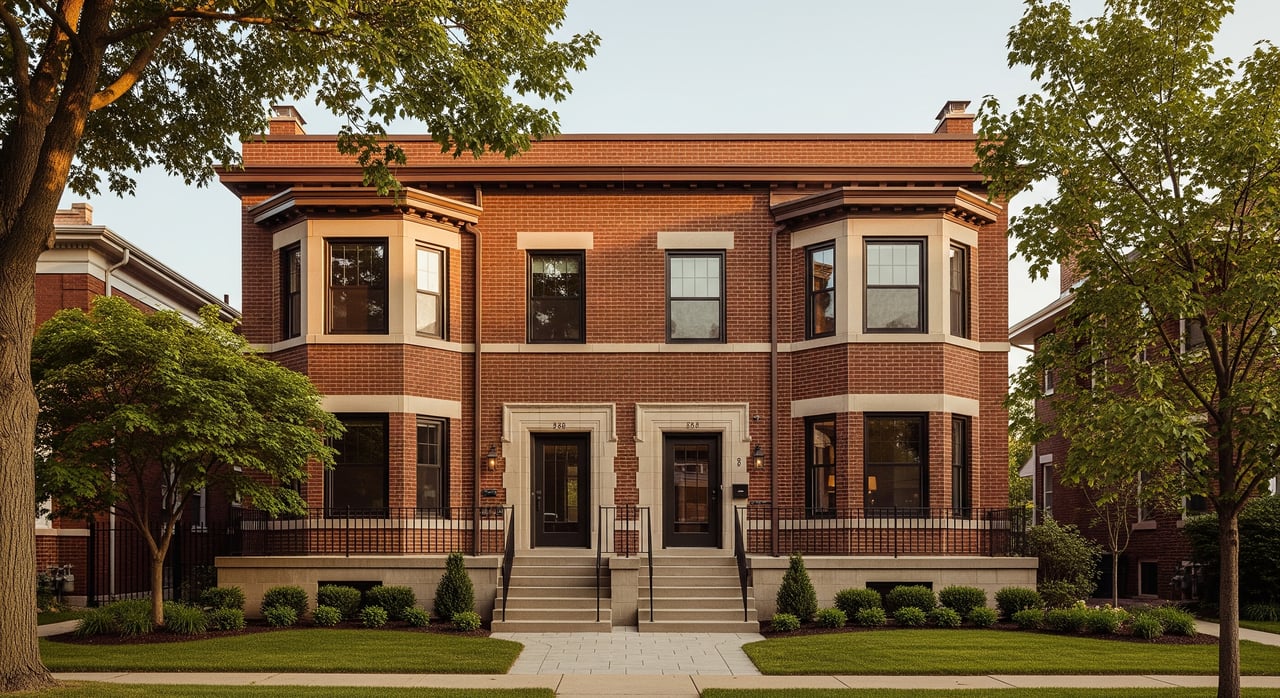
Thinking about buying a duplex in Lansing as your first investment? You’re in good company. With steady rental demand and approachable prices, duplexes can be a practical way to build cash flow while learning the ropes. In this guide, you’ll learn where duplex demand comes from, how to run the numbers, which loans to consider, and the key rules to check before you buy. Let’s dive in.
Why duplexes work in Lansing
Lansing and Ingham County have a few built-in drivers that support year-round rental demand. State government offices and agencies in downtown Lansing create steady workforce housing needs. Michigan State University in nearby East Lansing adds student, graduate, faculty, and staff renters, which also spills into Lansing neighborhoods. Health-care employers and medical campuses further anchor long-term rental demand.
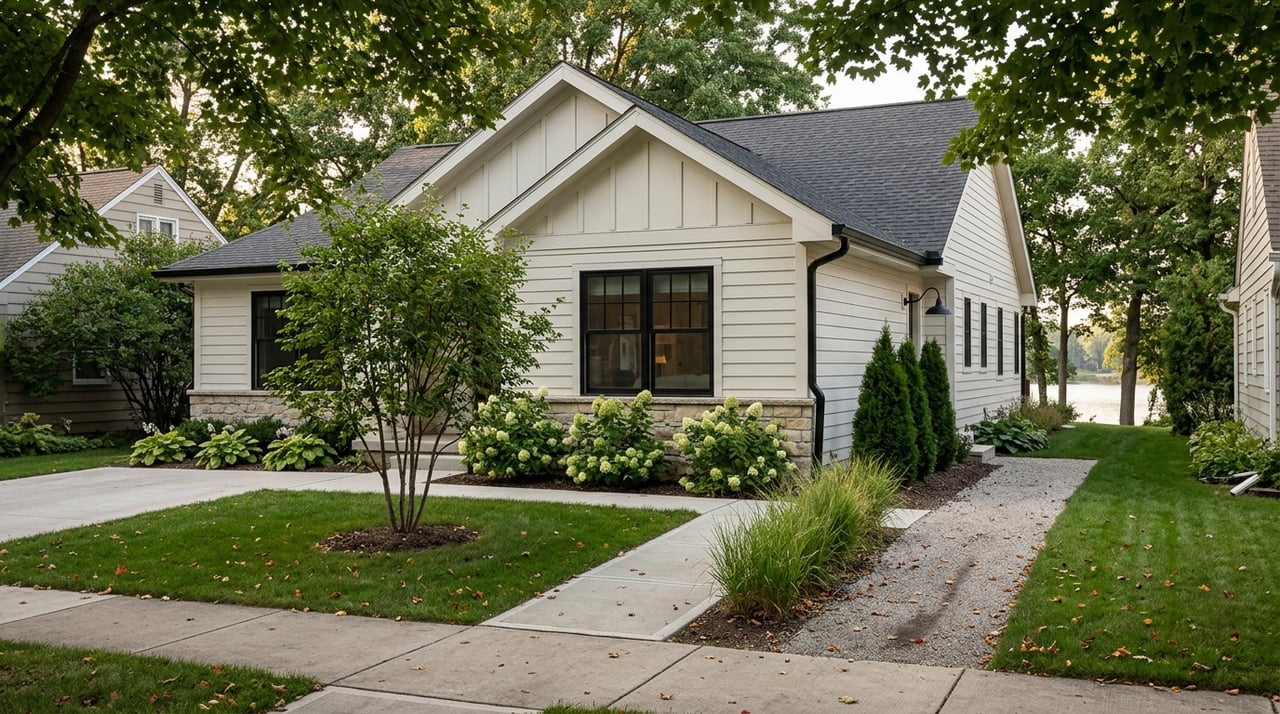
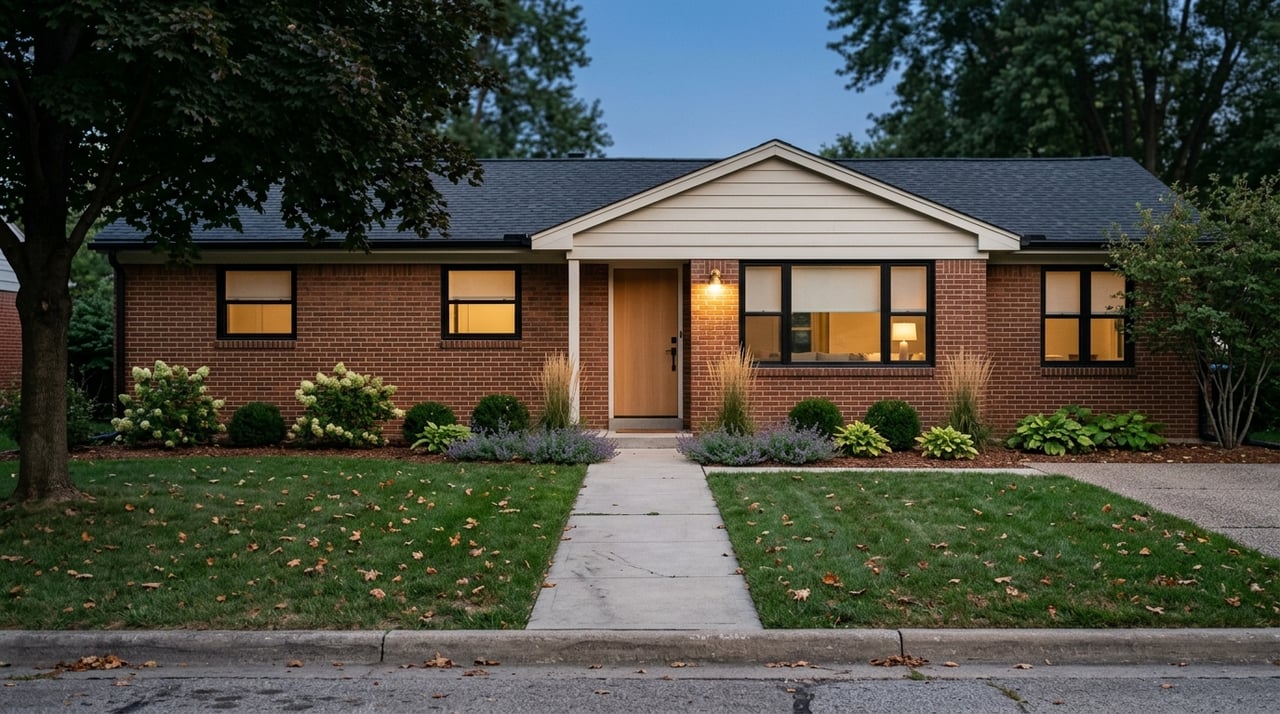
Duplexes here are often older two-unit homes in walkable areas. You’ll see a mix of owner-occupied and investor-owned properties. Tenants range from workforce renters and hospital staff to students and families. This mix can affect turnover and lease length, so match your strategy to the location.
Micro-locations to explore
- Downtown/Capitol-adjacent neighborhoods for short commutes to state offices.
- Old Town and REO Town for revitalized amenities and access to employers. Property conditions can vary, so inspect closely.
- South Lansing and areas near medical campuses to appeal to hospital and clinic employees.
- Border areas near East Lansing and MSU for higher student demand. Expect more turnover and different rules since East Lansing is a separate municipality.
How to underwrite a duplex, step by step
Before you fall in love with a property, gather the right numbers and run a simple model. A clear underwriting process helps you compare deals and avoid surprises.
The data you need for each property
- Purchase price and expected closing costs
- Current rent per unit and your market rent estimate
- Other income, if any (parking, storage, laundry)
- Vacancy allowance (target range below)
- Operating expenses: taxes, insurance, utilities you pay, repairs, management, landscaping, admin
- Capital expenditures reserve for big-ticket items (roof, HVAC, siding)
- Financing terms: down payment, rate, amortization
- Immediate rehab or make-ready budget
Key formulas to guide your analysis
- Potential Gross Income (PGI) = total market rents + other income
- Effective Gross Income (EGI) = PGI × (1 − vacancy rate)
- Operating Expenses (OE) = sum of all expense line items
- Net Operating Income (NOI) = EGI − OE
- Annual Debt Service (ADS) = monthly mortgage × 12
- Cash Flow (pre-tax) = NOI − ADS
- Cap Rate = NOI ÷ Purchase Price
- Gross Rent Multiplier (GRM) = Purchase Price ÷ Annual PGI
- Debt Service Coverage Ratio (DSCR) = NOI ÷ ADS
- Cash-on-Cash Return = (Annual Cash Flow ÷ Investor Equity) × 100
Practical assumptions for Lansing duplexes
- Vacancy: use 5–8% in stable, workforce areas; 8–12% near heavy student demand or in lower-demand spots.
- Expense ratio: 35–50% of EGI is common for small multis. A 40% midline assumption is a conservative starting point for older properties.
- Management fee: 8–12% of collected rent if you hire a local manager. Self-managing is 0% but costs your time.
- Capital reserves: plan $250–$1,000 per unit per year, or 3–5% of collected rent.
A quick example walkthrough
- Inputs: Purchase $200,000; 2 units; market rent per unit $900 monthly; other income $0; vacancy 7%; expenses 40% of EGI; 20% down; 30-year amortization.
- PGI = 2 × $900 × 12 = $21,600
- EGI = $21,600 × (1 − 0.07) = $20,088
- OE = $20,088 × 0.40 = $8,035
- NOI = $20,088 − $8,035 = $12,053
- Next, calculate your mortgage payment to find ADS, then compute cash flow, cap rate, DSCR, and cash-on-cash return.
Red flags to pause on
- Rents far below market without a clear reason.
- Large repair needs that exceed your contingency (roof, foundation, electrical).
- Unclear zoning or an unpermitted second unit.
- High property taxes or signs of a coming reassessment.
- Very high turnover zones where vacancy and make-ready costs stack up.
Financing options for 2-unit properties
Your loan choice depends on whether you will live in one unit or buy as an investor. Terms and rates change, so always get current quotes from local lenders.
Common pathways
- Owner-occupied conventional loans: Competitive rates for buyers who will live in one unit. Down payments often fall in the 15–25% range for 2–4 unit properties, depending on lender and credit.
- FHA (owner-occupied): Minimum 3.5% down if you live in one unit and the property meets FHA standards. This is popular for first-time investors.
- Conventional investor loans: Often 20–25% down or more, with higher rates than owner-occupied loans. Lenders may count rental income when you qualify.
- Local bank portfolio loans: Flexible terms that vary by bank. These can fit properties that need some work.
- DSCR-focused investor loans: Lenders underwrite to rental income and want DSCR in the 1.15–1.25 or higher range.
- Rehab or bridge loans: Short-term funding for fixer-uppers. Plan to refinance after repairs and lease-up.
- USDA and specialty programs: Eligibility depends on location and borrower. These generally do not apply inside Lansing city limits.
What lenders often look for
- Owner-occupancy rules if you claim an owner-occupied product, usually for at least 12 months.
- Rental income stress tests. Many lenders use current leases or market rents with a haircut, such as 75% of gross, to be conservative.
- DSCR minimums for investment loans, commonly 1.15–1.25 or higher.
- Cash reserves, often measured in months of mortgage payments.
- Property condition that meets program standards.
Rules, licensing, and property management basics
Before you buy, confirm the local rules and plan your management approach. Older duplexes in Lansing can perform well if you handle the details.
Legal and permitting checks
- Michigan landlord-tenant law sets rules for deposits, notices, and habitability. The City of Lansing may add requirements, so verify city ordinances.
- Some municipalities require rental registration, licensing, or inspections. Confirm rules for Lansing and nearby jurisdictions such as East Lansing and Lansing Township.
- Confirm that the duplex is legally a two-family structure and has a valid certificate of occupancy.
- If you plan short-term rentals, review local limits or registration rules.
Insurance and risk planning
- Obtain a landlord policy that fits a duplex, and consider loss-of-rent coverage.
- If you will live in one unit, confirm proper endorsements for mixed use.
- Require renter’s insurance in your lease if allowed.
Management choices
- Self-manage to save on fees if you are local and have the time. The trade-off is your personal time and need to stay current on laws.
- Professional management often costs 8–12% of collected rent, plus separate lease-up fees. Ask about services like screening, maintenance, and handling evictions.
Tenant screening and leases
- Keep screening consistent: credit, income-to-rent ratios, background, and rental history.
- Most workforce rentals use 12-month leases. Student rentals may align with the academic calendar, which affects turnover and vacancy seasonality.
- Follow federal and state fair housing laws at all times.
Your due diligence checklist
Use this list to stay focused before you write an offer.
- Rent roll and copies of current leases
- Recent utility bills for owner-paid utilities
- Current property tax bill and millage rates
- Full inspection report plus age/condition of roof, HVAC, electrical, plumbing, and foundation
- Zoning confirmation and certificate-of-occupancy history
- Local rental registration or licensing requirements
- Title search and any outstanding liens
- Comparable sales and rents for 6–12 similar duplexes
- Vacancy history and turnover costs
- Insurance quotes from local carriers
- Immediate repair budget and a 1–3 year capital plan
Where to find reliable local data
- U.S. Census Bureau and American Community Survey for housing and renter stats
- HUD Fair Market Rent tables for countywide rent references
- Greater Lansing Association of Realtors for MLS trends and market reports
- Ingham County Assessor for tax bills and property records
- City of Lansing code, planning, and housing departments for licensing and zoning
- Local property managers and mortgage brokers for current rents, fees, and lending terms
- Local news and city planning updates for redevelopment and job growth signals
Ready to explore duplex opportunities with a steady, local guide by your side? If you want clear comps, a simple underwriting framework, and a plan that fits your goals in Lansing and Ingham County, connect with Heidi Smith. Schedule a free consultation and take your next step with confidence.
FAQs
Can I use an FHA loan to buy a Lansing duplex?
- Yes. FHA allows up to 4 units if you live in one unit and the property meets FHA standards. It is a popular path for first-time investors.
What vacancy rate should I assume in Ingham County?
- Use 5–8% for stable workforce areas and 8–12% for student-heavy or lower-demand locations when you build your pro forma.
How much should I set aside for repairs and capital items?
- Plan $250–$1,000 per unit per year for capital reserves, plus a separate immediate-repair contingency based on your inspection.
Is it better to self-manage or hire a property manager in Lansing?
- If you are local and have time, self-managing can save fees. If not, budget 8–12% of collected rent for professional management, plus lease-up fees.
How do I estimate market rent for a duplex near MSU?
- Compare multiple sources, including local comps and professional rent surveys, then adjust for unit condition and amenities. Student areas may have higher turnover.
What are the biggest risks when buying a duplex in Lansing?
- Deferred maintenance, unpermitted unit conversions, overestimating rent, and tax increases. Always confirm zoning, licensing, and property condition before you buy.